Wondering whether a townhome or duplex in Cumberland is the right fit for your next move? If you want lower-maintenance living, easy access to village amenities, and a home base near Cumberland’s trail culture, these property types can be worth a closer look. The key is understanding how ownership, fees, approvals, and project design can vary from one property to the next. Let’s dive in.
Why Cumberland appeals to townhome buyers
Cumberland has a distinct lifestyle that shapes what many buyers look for in a home. The Village describes its trail network as a non-motorized, multi-use system, with the Cumberland Community Forest Park serving as a 60-hectare gateway and more than 200 kilometres of singletrack in the area.
For many buyers, that setting makes ground-oriented, lower-upkeep housing especially appealing. If you want a home that supports an active lifestyle without the maintenance of a larger detached lot, a townhome or duplex may line up well with how people use and enjoy Cumberland.
The Village’s planning direction also supports more compact housing forms. Cumberland adopted a new Official Community Plan on January 12, 2026, and a new Zoning Bylaw on February 9, 2026. The Village says the zoning update responds to provincial direction to broadly allow small-scale multi-unit housing, and most single-residential lots are now pre-zoned for up to four units.
What ownership can look like in BC
When you buy a townhome or duplex in Cumberland, the first thing to confirm is how the property is legally structured. In British Columbia, strata housing can include townhomes, duplexes, apartment-style condos, and even single-family homes.
In a typical strata, you own your strata lot and share ownership of common property and common assets through the strata corporation. Most strata corporations are freehold, though leasehold stratas also exist. The strata corporation is created when the strata plan is filed at the Land Title Office.
This matters because your costs and responsibilities may change depending on the structure. Two homes that look similar from the street can come with very different rules, maintenance obligations, and insurance needs.
Strata fees are more than a monthly bill
Monthly strata fees are not just a line item to budget around. Under the Strata Property Act, strata corporations must collect contributions for an operating fund and a contingency reserve fund, and the reserve fund must be kept separate.
That reserve fund helps prepare for major repair and replacement costs over time. For strata corporations with five or more lots, the Act also requires depreciation reports on the required cycle, which estimate future major expenses.
A lower fee is not always better if it means the corporation is underfunded. When you compare properties, it helps to look at both the current fee and the bigger financial picture behind it.
Bare land strata works differently
Some Cumberland properties may be in a bare land strata, and that can change your long-term costs. In a bare land strata, the owner is generally responsible for the insurance, repair, and maintenance of the buildings on the lot.
That is very different from many conventional townhouse stratas, where the strata corporation often handles more of the building-related responsibilities. If you are comparing a bare land strata to a more standard townhouse strata, make sure you understand what you would be maintaining yourself.
Some stratas have sections
Another detail to watch for is whether the strata is divided into sections. In BC, sections can have their own fees, operating fund, reserve fund, and in some cases their own depreciation report.
That means your monthly costs and financial exposure may be tied not just to the broader strata, but to the specific section your home belongs to. It is a small detail that can have a big effect on your budget and planning.
What current Cumberland projects suggest
Cumberland’s current development tracker gives buyers a useful snapshot of what newer attached housing may look like in the village. Public files show a 54-unit townhouse complex on Maple Street, a townhouse-focused proposal on the same property described at up to 95 units, and an Ulverston Avenue concept with 26 townhouse units plus 32 units in eight fourplexes.
Another active file, Coal Valley Estates Phase 10/11, includes eight bare land strata lots and six multi-family lots. Taken together, these applications suggest buyers are likely to keep seeing cluster-style townhomes, townhouse-and-fourplex combinations, and projects with shared open space and circulation.
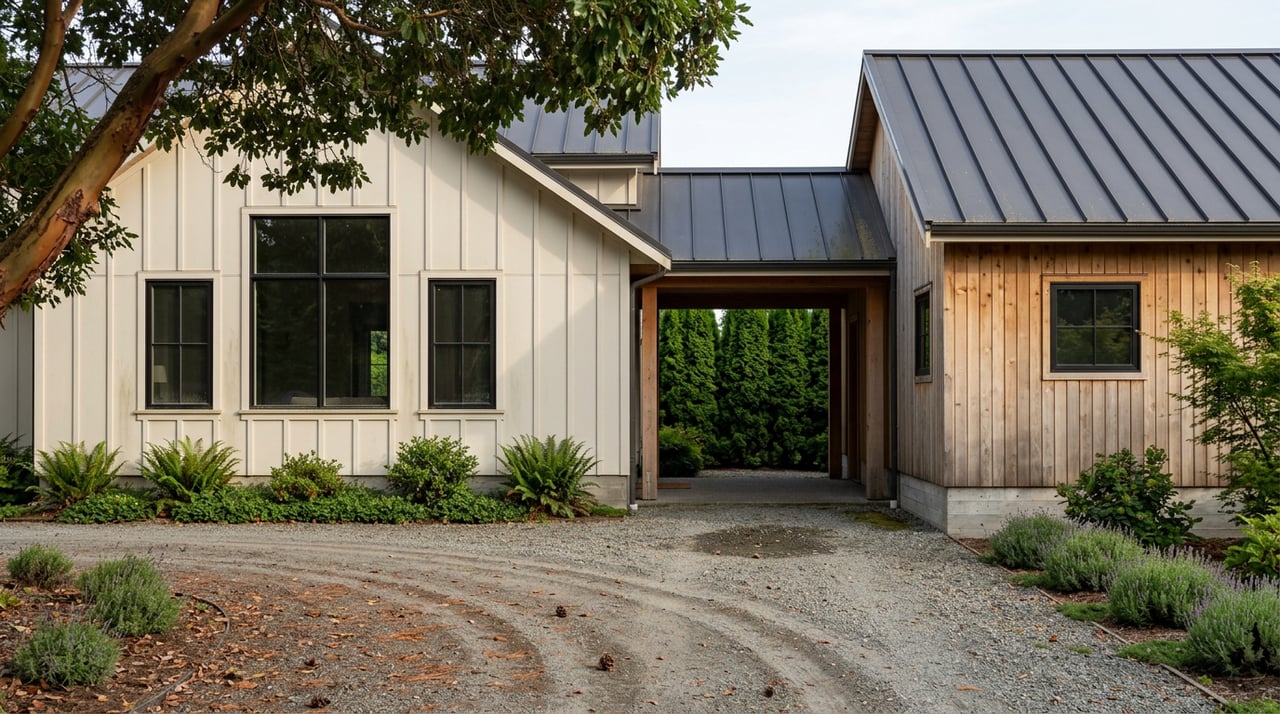
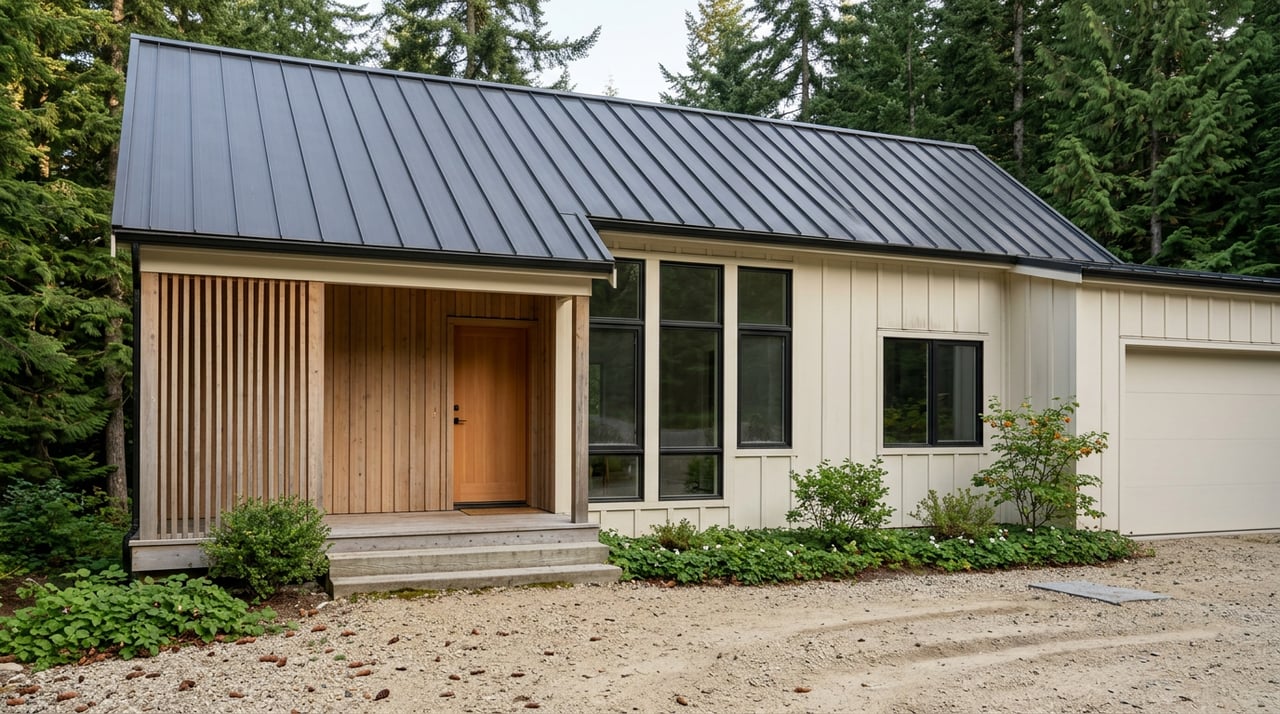
That does not guarantee what any individual listing will offer, but it does provide helpful context. In Cumberland, attached housing may look less like classic suburban rows and more like compact, community-oriented layouts with pedestrian links, landscaping, and shared design features.
Layouts and finishes can vary widely
One important takeaway from current planning files is that site design gets a lot of attention. Village applications often emphasize items like trail connections, park dedication, street trees, surface or underground parking, and EV-ready infrastructure.
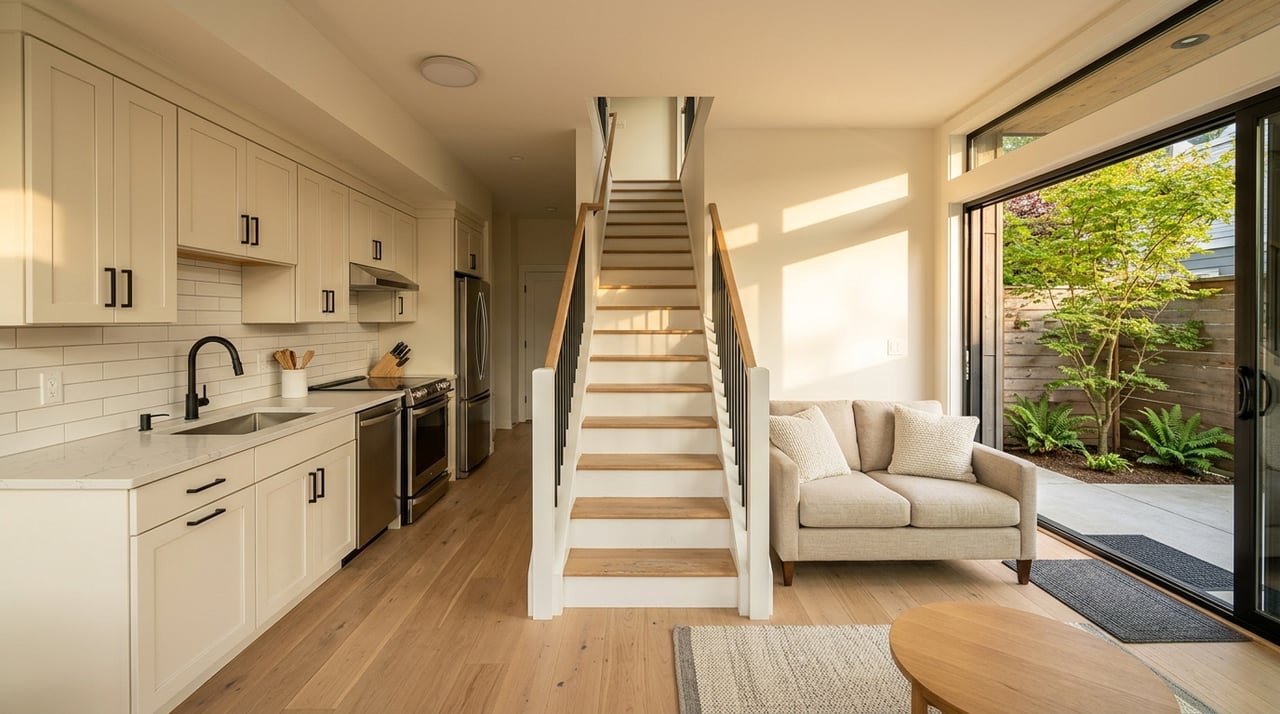
What they do not tell you in detail is the interior finish level of each future home. That means you should treat cabinetry, flooring, appliances, storage, and overall finish quality as unit-specific details that need to be confirmed at the property level.
Local planning details buyers should not ignore
In Cumberland, planning overlays can affect both your purchase decision and any future renovation plans. The Official Community Plan includes development permit areas for environmental protection, groundwater protection, farmland protection, wildfire and urban interface, industry, and form-and-character.
There is also a Heritage Conservation Area in the downtown Historic Village Commercial Core. In that area, subdivision, additions, new construction, alteration, or demolition may require a Heritage Alteration Permit.
For buyers, this means a home’s location can influence what may be possible later. If you are thinking ahead to additions, exterior changes, or redevelopment potential, it is smart to review the property’s local designations early.
Use local mapping tools before you buy
The Village’s iMap viewer can help you check zoning, Official Community Plan designations, aerial photography, and contours. That can be especially useful if you are comparing properties near trail lands, the heritage core, or a current or future development site.
This step can help you understand the setting around the home, not just the home itself. For many Cumberland buyers, that wider context is part of the decision.
Your due diligence checklist
Before you buy a townhome or duplex in Cumberland, make sure you review the details that shape ownership, monthly costs, and future flexibility.
Confirm the title structure
Ask whether the property is a freehold strata, bare land strata, or part of a section. The strata plan will show common property, limited common property, and individual strata lots.
This helps you understand exactly what you own and what is shared. It also gives you a clearer picture of future responsibilities.
Request the key strata documents
Ask for a current Form B, the registered strata plan, bylaws, budget, insurance summary, the most recent depreciation report, and recent minutes. In BC, Form B is a major buyer disclosure document.
According to BCFSA, it can include monthly strata fees, alteration agreements, amounts owing, contingency reserve fund information, litigation or arbitration, and parking and storage information. It must also be attached to the rules, current budget, and the most recent depreciation report if one has been obtained.
Review the reserve fund and levy risk
Look closely at the contingency reserve fund, any planned special levies, and the strata corporation’s insurance deductibles. The Province notes that strata corporations must maintain property and liability insurance, and deductibles can be significant.
In some cases, an owner may be responsible for a deductible. That is why insurance and reserve planning deserve just as much attention as the purchase price.
Verify parking and storage
Do not assume that a parking stall or storage locker is owned in the same way from one property to the next. In BC, parking and storage may be common property, limited common property, or separate strata lots.
The strata plan and Land Title records are the right places to verify that. This is especially important if you have multiple vehicles, bikes, or gear to store.
Read the bylaws carefully
Strata bylaws can affect day-to-day living more than many buyers expect. Review them for age restrictions, rental rules, pet rules, barbecue or hot tub restrictions, window covering rules, signage limits, and satellite dish restrictions.
BC guidance also notes that bylaws can restrict things like pet ownership and smoking. A home that looks perfect on paper may feel less suitable if the bylaws do not match how you plan to live.
Ask about trail-adjacent activity
If the property is near the trail network, ask about foot traffic, privacy, and event activity. The Village notes that the network is multi-use and also hosts races and special events.
For some buyers, that energy is part of the appeal. For others, it is something to weigh against privacy and noise preferences.
Check approval status on newer homes
If you are buying a new or substantially rebuilt home, ask whether any heritage, development permit, rezoning, or other approvals remain outstanding. Cumberland’s planning and development pages show that these approvals are an active part of the local process.
That does not mean there is a problem. It simply means you should confirm where the property stands before moving forward.
Why local guidance matters
Buying a townhome or duplex in Cumberland is not just about square footage or price point. You are also evaluating strata structure, village planning context, shared expenses, and how a home fits your lifestyle goals.
That is where local knowledge can make the process smoother. A lawyer or notary should search title and obtain strata documents, and an insurance broker can help match your owner policy to the strata corporation’s coverage and deductible exposure.
If you are comparing homes in Cumberland and want practical guidance on the details that matter, the team at Jane Denham Real Estate Group is here to help you make a confident move.
FAQs
What should you review before buying a townhome in Cumberland?
- Ask for the Form B, strata plan, bylaws, budget, insurance summary, recent minutes, and the most recent depreciation report, then confirm the title structure and reserve fund details.
How is a duplex in Cumberland different from a townhouse strata?
- A duplex may still be part of a strata, and the legal structure matters more than the building style, so confirm whether it is a standard strata, bare land strata, or another form of ownership.
What is Form B in a BC strata purchase?
- Form B is a buyer disclosure document that can show monthly fees, contingency reserve fund information, parking or storage details, alteration agreements, and litigation or arbitration information.
Why do strata fees matter when buying in Cumberland?
- Strata fees help fund day-to-day operations and the contingency reserve fund, so they can affect both your monthly budget and the property’s long-term repair planning.
What should you know about buying near Cumberland’s trail network?
- Homes near the trail system may offer strong lifestyle appeal, but you should also ask about privacy, foot traffic, and race-day or event activity because the network is multi-use and hosts special events.