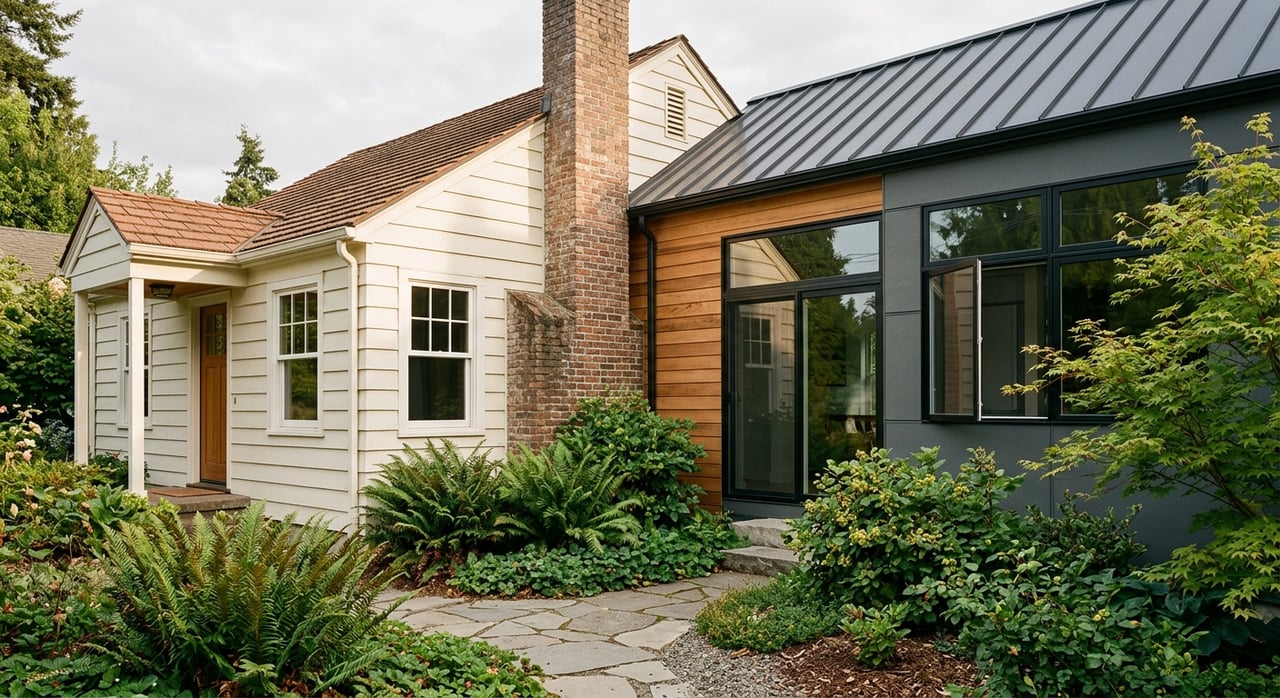
If you are weighing an older character home against a newer build in Cumberland, you are not alone. This village gives you two very different paths to homeownership, and each comes with real tradeoffs in cost, upkeep, location, and day-to-day feel. Understanding how heritage homes and newer construction compare can help you choose with more confidence. Let’s dive in.
Cumberland’s housing choice at a glance
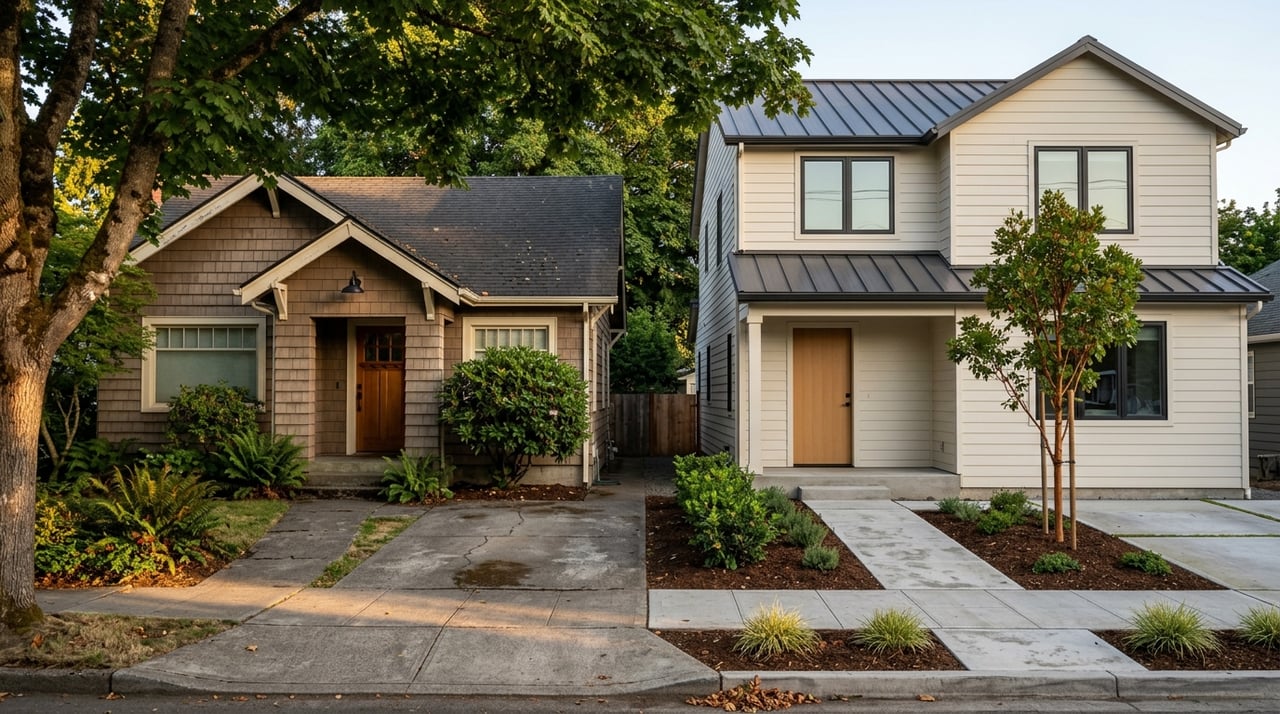
Cumberland’s identity is shaped by its coal-mining history and its gradual shift toward newer infill and multi-unit housing. In simple terms, buyers are often deciding between heritage character and central walkability or newer construction and lower near-term maintenance.
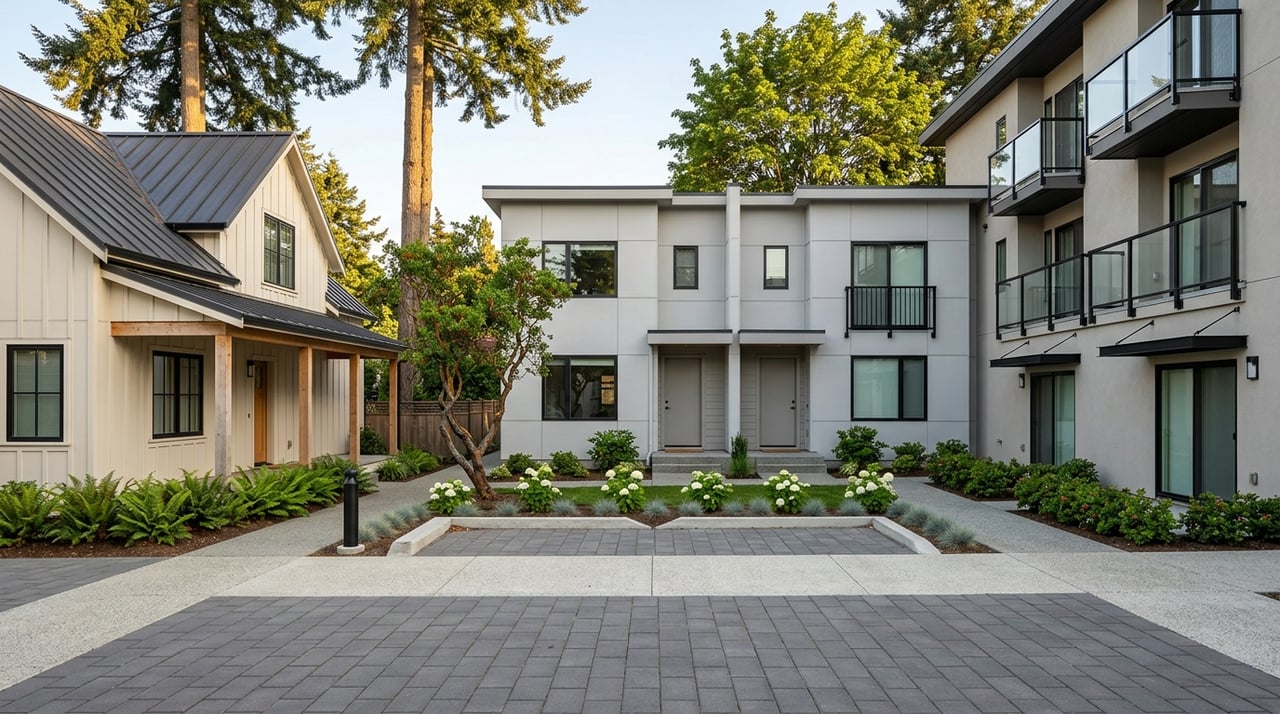
That contrast is especially noticeable here because Cumberland has a strong historic core and an evolving planning framework for new homes near the village centre. Rather than large suburban-style expansion, much of the newer housing is taking shape through infill, townhouses, apartments, and accessory dwelling units.
What makes Cumberland heritage homes distinct
Cumberland remained an active coal-mining town until 1966, and the Village says more than 400 heritage character homes and related historic places still shape the community. That legacy shows up in older houses, historic streetscapes, and well-known places on the Community Heritage Register.
The register includes buildings and landscapes tied to the village’s early development, including the Tarbell Building, the Abbey Church, Saito House, and the Bevan Houses. The Bevan Houses are described by the Village as standard wood-frame, one-storey company homes linked to early mining-town housing patterns in British Columbia.
For many buyers, the draw is easy to understand. Older homes often offer a stronger sense of place, established streets, and the kind of character that can be hard to find in newer construction.
Heritage areas can add approval steps
If you are looking near downtown Cumberland, it is important to know that the Historic Village Commercial Core on Dunsmuir Avenue is a Heritage Conservation Area. In that area, subdivision, additions, new construction, alterations, and demolition can require a Heritage Alteration Permit.
For properties on the heritage register, the Village may also request a site visit or heritage impact assessment when reviewing renovation or demolition proposals. That does not mean changes are impossible, but it does mean older homes may come with more review, more planning, and a longer timeline before work begins.
Older homes often need more hands-on care
A heritage or character home can be rewarding to own, but it usually asks more of you. Older homes are more likely to need upgrades to insulation, windows, doors, heating systems, and overall building envelope performance.
That makes inspections and repair planning especially important. If you love the look and feel of an older Cumberland home, it is wise to budget for both expected maintenance and possible renovation approvals.
What newer homes look like in Cumberland
Newer construction in Cumberland is being shaped by local planning that supports growth close to the village core. The Village adopted a new Official Community Plan on January 12, 2026, and a new Zoning Bylaw on February 9, 2026.
Under that framework, multi-unit residential areas near the core are intended to allow townhouses, multiplexes, and apartment buildings with densities up to 160 units per hectare. That gives you a good sense of where much of Cumberland’s newer housing supply is headed.
Infill is a big part of the story
Current development activity reflects this direction. The Village’s active applications include a vacant Ulverston Avenue site being considered for apartment buildings and townhouses, and council has advanced the Ḱwaxdzi’dzas affordable housing project at 3345 Second Street.
The Village also streamlined accessory dwelling units in 2022 so they no longer require a development permit. For buyers, that matters if you are considering a property with room for a smaller secondary home or carriage-house-style setup on an existing lot.
New builds start from a stronger code baseline
One of the biggest advantages of a newer home is performance. The BC Building Code 2024 applies to permits filed after March 8, 2024, and the BC Energy Step Code sets energy-efficiency requirements for new buildings.
The Province says the first step-up in May 2023 made most new buildings 20% more energy efficient than 2018 minimums. The Zero Carbon Step Code also sets emissions targets for new construction. In practical terms, newer homes generally begin with a stronger efficiency and comfort baseline than older housing.
Comparing price points in Cumberland
Price matters in any home search, and local data helps frame the comparison. BC Assessment’s 2026 Vancouver Island release shows the Village of Cumberland’s typical assessed value at $808,000, compared with $804,000 the year before.
It is important to read that as a community-wide value indicator, not as a direct sale price. BC Assessment notes those figures reflect market value as of July 1, 2025.
Detached homes sit at the top
Cumberland’s Housing Needs Report shows the overall median home price rose from $497,700 in 2019 to $788,000 in 2022. By dwelling type, single-detached homes reached $826,600, semi-detached homes $595,000, and rowhouses $651,800.
That tells you something useful right away. If you are comparing a classic detached heritage home with a newer attached or multi-unit option, the attached home may offer a lower price entry point.
For broader context, VIREB reported a Comox Valley single-family benchmark price of $837,300 in January 2026. That suggests Cumberland’s detached market is generally in line with the wider valley, rather than dramatically below it.
Maintenance and energy costs over time
For many buyers, the real difference between heritage and new-build homes shows up after closing. Purchase price is only one part of the decision. Ongoing maintenance, repair timing, and monthly operating costs can change the long-term picture.
Older homes usually bring more near-term upkeep. Newer homes often offer more predictable maintenance in the first years of ownership, along with stronger energy performance from the start.
Older homes may need efficiency upgrades
If you buy an older Cumberland home, you may want to improve insulation, replace windows or doors, or update heating systems over time. These upgrades can improve comfort and help narrow the performance gap between an older house and a new build.
BC’s CleanBC Better Homes program offers rebates for items such as heat pumps, insulation, and window or door upgrades. For buyers choosing character over convenience, these incentives can help support future improvements.
New builds can reduce early surprises
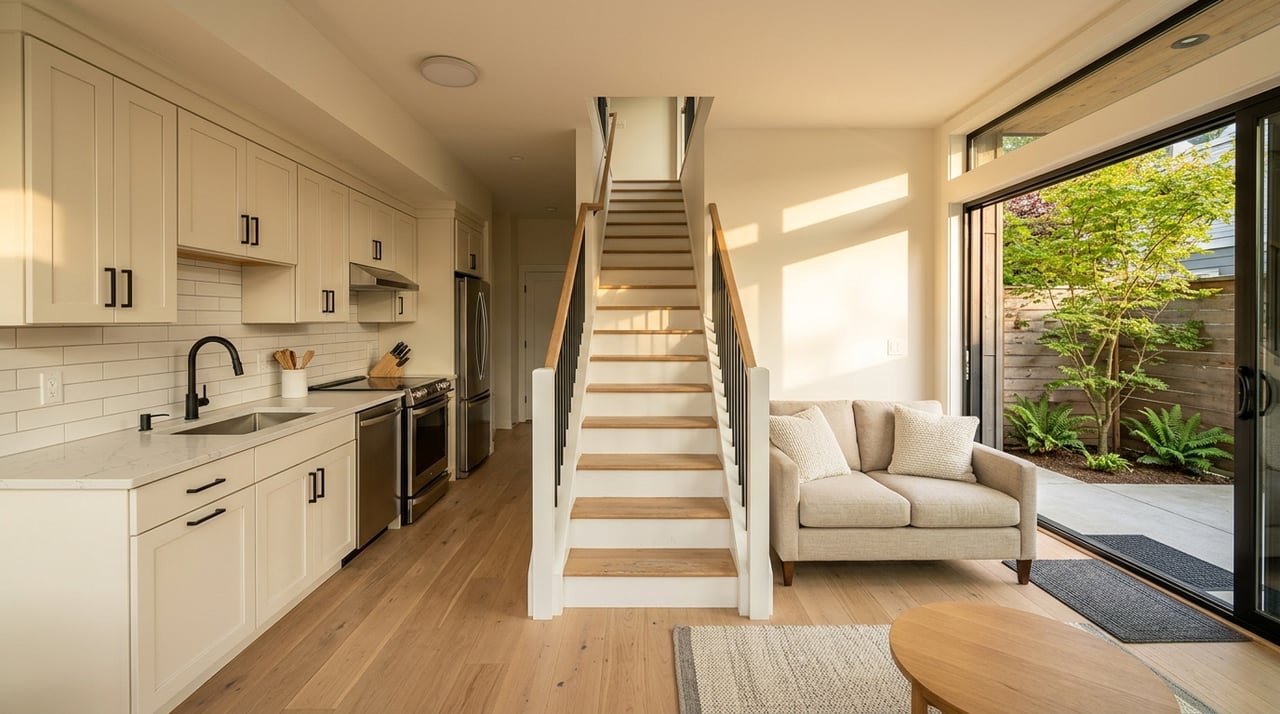
A newer home will not eliminate maintenance forever, but it can reduce the number of immediate projects on your list. That can be appealing if you are relocating, downsizing, buying a second home, or simply want a more predictable first few years of ownership.
If your goal is low near-term upkeep, modern layouts, and current energy standards, newer construction may be the easier fit.
Lifestyle and location differences
Cumberland is strong on both lifestyle paths, which is part of what makes this decision personal. Older homes in and near the heritage core often maximize access to village amenities and established streetscapes.
The Village says Village Square is in the heart of Dunsmuir Avenue, the library is at 2746 Dunsmuir Avenue, the Recreation Centre is at 2665 Dunsmuir Avenue, and Village Park at Sixth Street connects directly to the South Wellington Colliery Railway Trail. That makes central locations especially appealing if you want to be close to daily services and a walkable village setting.
Trail access matters too
Cumberland Community Forest Park, southwest of the historic core, is the gateway to the trail network. That means newer homes and infill near the edge of town can still offer excellent access to outdoor recreation.
The Village also describes Cumberland as about a ten-minute commute to major urban amenities, while still placing you near Comox Lake, beaches, and mountain biking. For many buyers, the choice is less about being close to everything and more about which type of home experience fits your lifestyle best.
Which home type may suit you best
There is no one-size-fits-all answer in Cumberland. The better choice depends on how you want to live, what kind of upkeep you are comfortable with, and how much value you place on historic character versus newer performance.
A heritage home may be a strong fit if you want:
- Character and original design details
- A home in or near established village streetscapes
- Walkability to downtown Cumberland amenities
- A stronger connection to Cumberland’s history
- A project you are willing to plan and maintain carefully
A newer home may be a strong fit if you want:
- Lower near-term maintenance
- Modern layouts and finishes
- Better baseline energy efficiency
- Fewer immediate renovation needs
- An attached or multi-unit option at a lower entry point than detached homes
A smart way to compare homes in Cumberland
When you tour homes in Cumberland, it helps to look beyond style alone. Ask how much work the home may need in the next few years, whether any heritage-related review could affect future plans, and how the location supports your daily routine.
You will also want to compare the total ownership picture. A lower-maintenance new build may cost more upfront than expected in some cases, while an older home with character may need updates that affect your budget over time.
The good news is that Cumberland offers real choice. Whether you are drawn to heritage charm or a newer low-maintenance setup, you can find options that reflect the village’s unique mix of history, access, and evolving housing stock.
If you are thinking about buying or selling in Cumberland, the local details matter. The team at Jane Denham Real Estate Group can help you compare neighborhoods, property types, and next steps with clear, locally grounded guidance.
FAQs
What is the main difference between heritage and new-build homes in Cumberland?
- Heritage homes in Cumberland usually offer more character, established streetscapes, and central village context, while new-build homes tend to offer newer-code construction, better baseline energy efficiency, and lower near-term maintenance.
Do heritage homes in Cumberland come with renovation restrictions?
- Some do. In Cumberland’s Historic Village Commercial Core on Dunsmuir Avenue, certain changes may require a Heritage Alteration Permit, and properties on the heritage register may involve added review such as site visits or heritage impact assessment.
Are newer homes in Cumberland mostly large subdivisions?
- No. Current planning and development activity point more toward infill, townhouses, apartments, multiplexes, and accessory dwelling units near the village core rather than large suburban-style expansion.
Are detached homes in Cumberland more expensive than attached homes?
- Based on Cumberland’s Housing Needs Report, yes. Single-detached homes reached $826,600, compared with $595,000 for semi-detached homes and $651,800 for rowhouses.
Can an older Cumberland home be improved for energy efficiency?
- Yes. Older homes may be upgraded over time with improvements such as insulation, windows, doors, and heating systems, and BC’s CleanBC Better Homes program offers rebates for some of these upgrades.
Is Cumberland more about walkability or outdoor access?
- It offers both. Older homes near the heritage core often maximize walkability to village amenities, while newer homes and infill near the edge of town can still be very close to trail access and outdoor recreation.