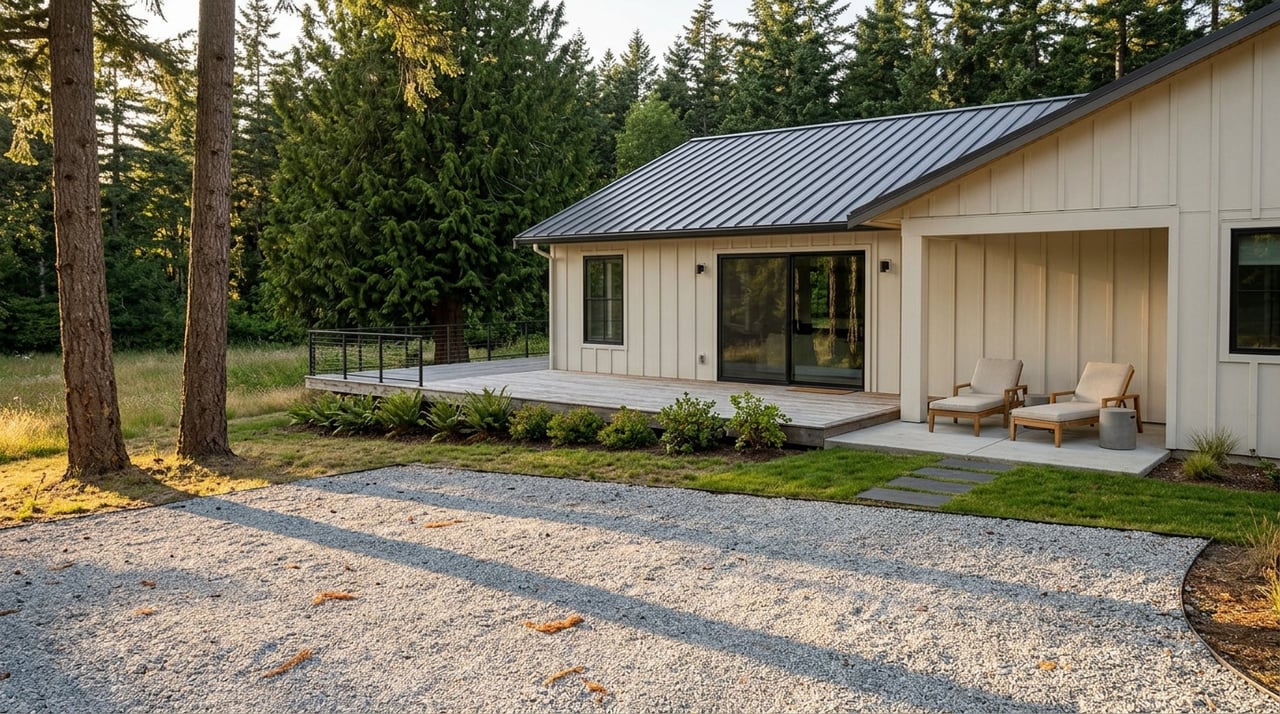
Thinking about trading traffic, tight lots, and busy city routines for more space and a slower pace? In the Comox Valley, that move can be incredibly rewarding, but it is not just a change in scenery. You are also stepping into a different way of living, where property systems, land-use rules, and daily logistics matter as much as the view. If you are considering a move from Vancouver to rural Comox Valley, this guide will help you understand the trade-offs, the benefits, and the questions to ask before you buy. Let’s dive in.
What Rural Comox Valley Really Means
In the Comox Valley, “rural” has a specific meaning. According to the Comox Valley Regional District, properties outside the City of Courtenay, the Town of Comox, and the Village of Cumberland are considered rural. That means your future home may be governed by regional district rules instead of municipal ones.
This matters because rural living here is about more than having a larger lot. It can also mean different tax billing, different servicing, and different zoning expectations than you may be used to in Vancouver or Greater Vancouver. For many buyers, that is one of the biggest mindset shifts.
Some rural areas include inland acreages, while others include shoreline and peninsula settings. Electoral Area B, for example, includes places like the Comox Peninsula, Little River, Balmoral Beach, Point Holmes, and Bates Beach. So when you picture “rural,” it could mean forested land, a hobby-property feel, or a coastal setting with more privacy.
Why City Buyers Are Drawn Here
For many Vancouver-area buyers, the appeal is easy to understand. Rural Comox Valley offers more land, a closer connection to nature, and a pace that feels more grounded in daily life. You may find room for gardens, outdoor living, workshops, or simply more breathing space.
There is also a strong lifestyle component. The regional district notes that rural areas include 65 parks, 24 marked beach accesses, and many kilometres of maintained trails. That creates a day-to-day lifestyle that can include walking, hiking, cycling, paddling, and time outdoors close to home.
Local food is another part of the draw. The Comox Valley Regional District’s agricultural background report says about 55% of farm businesses sell directly to consumers through farmers’ markets, subscription boxes, and farm-gate sales. If you want a lifestyle that feels more connected to where your food comes from, this region supports that routine.
Expect a Different Daily Rhythm
One of the biggest adjustments from city life is transportation. BC Transit serves the Comox Valley, including some outlying connections, but parts of the rural area rely on on-request service that must be booked in advance. In some locations, that booking window can be 24 hours or even two working days ahead.
That means transit can work for some trips, but many rural households will still be car-first. If you are used to frequent transit, walkable errands, or quick access to everything, it is worth thinking honestly about how you want your daily routine to work.
At the same time, rural does not mean isolated. Comox Valley Airport offers regular flights to Vancouver, with daily non-stop flights noted on the airport’s routes page. If you expect to travel back to the mainland for work, family, or convenience, that air connection is an important advantage.
If you prefer to travel by vehicle, BC Ferries still offers the mainland connection, but the Horseshoe Bay to Nanaimo Departure Bay route requires advance booking and payment for vehicle travel. For many former city buyers, that is part of the new rhythm: less spontaneity, more planning.
Services Matter More Than You Think
When you move from a dense urban area to a rural setting, access to essential services becomes a bigger part of your home search. The answer is not the same for every pocket of the Comox Valley. Some properties feel close to town, while others require more driving for appointments, errands, and recreation.
Health care is often top of mind, especially for retirees and relocating families. North Island Hospital Comox Valley has a 24/7 emergency department for serious or life-threatening concerns. The Comox Valley Health Unit also serves the area from Black Creek to Fanny Bay, including Denman and Hornby islands.
If you do not currently have a family doctor or nurse practitioner, Island Health says you can register with the Health Connect Registry to be matched when one becomes available. That is useful context if continuity of care is part of your relocation plan.
Rural Properties Often Mean Private Systems
This is one of the most important differences between city and country living. In many rural parts of the Comox Valley, you may be responsible for systems that are handled by a municipality in urban settings. The two biggest examples are water and wastewater.
For water, some rural homes rely on private groundwater wells. The Province of British Columbia says these wells are not regulated by the Drinking Water Protection Act, and well owners are responsible for water quality, maintenance, and well records. Domestic well owners are also encouraged to register their wells.
For wastewater, many rural homes rely on onsite sewage systems. The province says homeowners are responsible for maintaining these systems according to maintenance requirements. The Health Hazards Regulation also includes a 30-metre setback expectation between wells and contamination sources.
The Comox Valley Regional District’s septic education materials add practical advice here. Maintenance matters, water use should be minimized, and drain fields should be protected from tree roots and overwatering. In other words, rural ownership often comes with more hands-on responsibility than condo or subdivision ownership.
Zoning Can Shape Your Plans
Many buyers move to the countryside because they want flexibility. You may picture a few chickens, a garden, maybe bees, or a small produce stand. In the Comox Valley, some of that may be possible, but it depends on zoning and lot size.
The Comox Valley Regional District says some Residential One, Rural Residential, and Country Residential One lots may permit domestic agriculture on lots of at least 2,000 square metres. That can include a limited number of chickens, beekeeping, and a produce stand. The key word is may.
You should also pay close attention to whether a property is in the Agricultural Land Reserve, or ALR. In the ALR, agriculture is the priority use, and non-agricultural uses are restricted. That can affect subdivision potential, additional dwellings, and other future plans more than buyers expect.
The Best Trade-Offs for Many Buyers
Rural Comox Valley is not simply “better” than city life. It is a different set of trade-offs. You are often choosing more space, more privacy, and more access to nature in exchange for more driving, more planning, and more personal responsibility.
For the right buyer, that trade feels worthwhile almost immediately. You may gain a larger property, easier access to trails and beaches, and a stronger sense of day-to-day calm. You may also feel more connected to local food, seasonal routines, and outdoor recreation.
The key is knowing what kind of rural life you actually want. A peninsula property, a shoreline setting, and an inland acreage can each deliver a very different experience. The details matter.
Questions to Ask Before You Buy
Before you make the move, keep these practical questions front and center:
- Is the property in a rural electoral area rather than a municipality?
- How far is it from shops, health care, and other regular services?
- Will you rely on a private well or septic system?
- Is the property in the ALR?
- Does current zoning allow the uses you have in mind?
- How workable is the location for your travel needs to Vancouver?
- Are you comfortable with a more car-dependent routine?
These questions can help you avoid buying a property that looks perfect at first glance but does not match your daily needs. In rural real estate, lifestyle fit is often found in the fine print.
Making a Smart Move From Vancouver
If you are relocating from Vancouver or Greater Vancouver, it helps to approach the search with both excitement and realism. The Comox Valley offers an appealing mix of space, scenery, and lifestyle, but rural ownership rewards buyers who do their homework. It is not just about finding a beautiful home. It is about understanding how that home works.
That is where local guidance can make a real difference. When you know how to compare one rural pocket to another, ask the right questions about land use and services, and understand what daily life will look like, you can make your move with far more confidence.
If you are exploring a move from city to countryside in the Comox Valley, Jane Denham Real Estate Group can help you understand the local market, narrow down the right area, and find a property that truly fits the lifestyle you want.
FAQs
What does rural Comox Valley mean for homebuyers?
- Rural Comox Valley generally refers to properties outside the City of Courtenay, Town of Comox, and Village of Cumberland, where regional district rules, rural servicing, and different tax billing may apply.
What should Vancouver buyers know about transportation in rural Comox Valley?
- BC Transit serves the region, but some rural areas use on-request service with advance booking, so many households will still depend on a car for daily life.
What property systems are common in rural Comox Valley homes?
- Many rural homes use private wells and onsite sewage systems, and homeowners are responsible for maintenance, water quality, and proper system care.
What does ALR mean for rural Comox Valley property owners?
- If a property is in the Agricultural Land Reserve, agriculture is the priority use and non-farm uses, subdivision, and additional dwelling plans may be more limited.
Can you keep chickens or bees on a rural Comox Valley property?
- In some cases, yes, because certain lots may permit domestic agriculture if zoning and minimum lot size requirements are met.
How easy is it to travel from rural Comox Valley to Vancouver?
- Comox Valley Airport offers regular flights to Vancouver, while ferry travel is available but requires more planning for vehicle bookings.
What lifestyle benefits come with rural Comox Valley living?
- Buyers are often drawn to more land, privacy, access to parks and beach accesses, maintained trails, and a strong connection to local food and outdoor recreation.