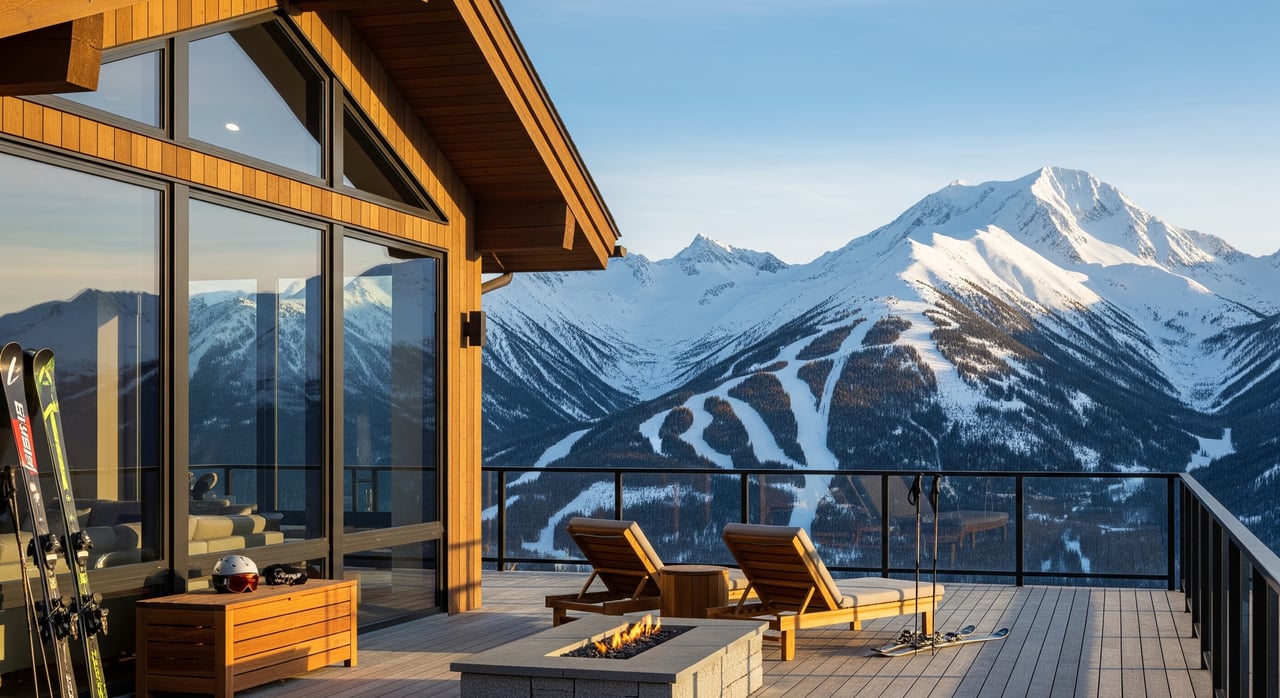
Ever dreamed of stepping out your door and clipping into your skis on Vancouver Island? Buying your first place at Mount Washington in the Comox Valley can make that vision real, but the details matter. From strata rules to winter access, a little knowledge goes a long way. In this guide, you’ll learn the essentials for first-time ski buyers, including ownership types, financing basics, rental options, and a clear due diligence checklist. Let’s dive in.
Why Mount Washington works
Mount Washington Alpine Resort sits inland from Courtenay and Comox, with the Comox Valley Airport nearby for easy access. You get a true mountain village with ski terrain and alpine scenery, plus services and shopping down in the valley. The ski season is weather driven and can vary year to year, so plan for flexible winter travel and check local forecasts and avalanche bulletins as part of your routine.
Distance to services and winter road conditions influence day-to-day living and costs. If you will visit often, factor in groceries, medical access, and emergency services in the valley. Ask about typical winter driving needs and whether all-wheel drive or chains are commonly used on mountain roads during storms.
Decide how you will use it
Before you shop, clarify your primary goal. Are you buying for family use on weekends, occasional visits with some short-term rentals, or as an income-focused property? Your plan affects budget, building choice, strata bylaws, and even mortgage options.
- If personal use comes first, prioritize layout, storage, and easy access to lifts.
- If you want rental income, focus on buildings with proven demand and clear short-term rental rules.
- If you split your time, look for flexible owner-use policies and simple self-management options.
Ownership types: strata vs freehold
Strata basics in BC
Most on-mountain condos and townhomes are strata properties. You own your unit and share ownership of common areas like lobbies, elevators, ski lockers, and amenities. A strata corporation manages rules, budgets, maintenance, and insurance under the Strata Property Act.
Resort strata fees can be higher than typical urban condos because they cover heating for common areas, snow management, elevators, and any staffed amenities. Review the budget and understand exactly what the fee includes. Ask for the insurance summary to see what the building policy covers versus your responsibility for contents and improvements.
Freehold cabin considerations
Freehold homes give you land ownership and control over the property. In exchange, you take on snow removal, roof care, driveway access, and winterization. Confirm who maintains the access road, where parking is permitted, and any service agreements for snow clearing. If the property uses well or septic, understand maintenance schedules, seasonal use, and costs.
What to read before you write an offer
For any strata purchase, request and review these documents in full:
- Current bylaws and rules, especially short-term rental policies and any restrictions on use
- Meeting minutes for the last 12 to 24 months to spot disputes, levies, or planned projects
- Depreciation report or reserve fund study to understand upcoming major repairs
- Financial statements, current budget, contingency reserve balance, and any special levies
- Insurance summary for building coverage, deductibles, and owner requirements
Financing a resort property
Down payments and insurance
Mortgage insurance through national providers is typically designed for owner-occupied principal residences. If the property is a secondary home or an investment, lenders often expect a higher down payment, commonly around 20 percent, along with different underwriting rules. Connect with a mortgage professional who understands resort properties so you can map out realistic terms before you shop.
Lender rules for resort condos
Some lenders evaluate resort-area buildings differently than standard city condos, especially if the property has substantial short-term rental activity or hotel-like features. Ask early about any building lists, unit-use restrictions, or conditions that could affect your approval or rate options.
Taxes and government charges
Budget for British Columbia’s Property Transfer Tax and confirm whether any additional provincial or regional rules could apply to your situation. Short-term rentals may require a local business licence and compliance with municipal regulations. If you plan to earn rental income, factor in income tax reporting and the potential for GST/HST considerations. Speak with your accountant for advice on your scenario.
Access, snow, and utilities
Winter roads and parking
Confirm who maintains the road to your property and how often it is cleared during storms. Some village roads are well serviced. More remote or freehold areas may require owner-managed access. Ask whether parking stalls are deeded, assigned, or shared, and whether there are limits on the number of vehicles. If you plan to rent, clear parking rules help avoid guest issues.
What ski-in/ski-out really means
Listing language varies. Ski-in/ski-out usually means you can click in near your door and reach the lifts or return to the building on skis during the season. Terms like ski-adjacent or walk-to-lift can indicate a short walk or traverse. Verify legal access with maps and documentation for any easements or rights of way. Ask how early and late-season conditions affect the route.
Utilities, internet, and heat
Find out how the unit connects to water and sewer, and whether systems are municipal or private. In mountain settings, heating loads are higher, so ask about energy sources like electric, propane, or oil, and request recent utility cost ranges. For rentals and remote management, reliable internet is essential. Confirm providers and typical speeds for the building or neighborhood.
Maintenance and seasonal costs
Mountain properties need proactive care. Budget for:
- Snow removal for roof, steps, walkways, and driveways
- De-icing and snow load checks where applicable
- Winterization if the unit will sit vacant, including minimum heat settings and pipe protection
- HVAC service, chimney and wood stove inspections
- Potential special levies for major projects like roof replacement or heating plant upgrades
Rentals and revenue realities
Rental program options
You will see a few common models:
- On-site rental management with a front desk and centralized bookings, where a management fee covers marketing and operations.
- Owner-managed short-term rentals, often using booking platforms. This depends on strata bylaws and local licensing rules.
- Mixed models that allow a set number of owner days each year with rentals allowed the rest of the time.
Request the actual rental management agreement and confirm the fee structure, reporting cadence, and how reconciliations are handled.
Numbers that matter
If income is part of your plan, ask for verifiable figures:
- Historical occupancy rates and average nightly rates by season
- Gross revenue, itemized fees, and typical net to owner
- Cleaning, linen, utilities, and consumables costs
- Policy on blocking owner stays during peak periods
- How maintenance, turnovers, and guest damage are handled and insured
Rules and taxes for rentals
Understand the rules at both the strata and municipal levels. Some buildings or areas restrict short-term rental activity, require licensing, or set safety standards. For tax, you will need to report rental income. If you are a non-resident, additional withholding and filing obligations may apply. Clarify whether GST/HST applies in your case with an accountant.
Due diligence: a checklist you can use
Gather these items before you remove conditions:
- Strata documents: bylaws, rules, minutes for 12 to 24 months, financials, budget, depreciation report, insurance summary, and any tenant or rental policies
- Title search, survey, easements, rights of way, and any restrictive covenants
- Building and unit condition reports, including envelope, roof, HVAC, and inspection summaries
- Rental program documents: management contract, audited or third-party reconciliations, and owner-use rules
- Hazard and environmental info, including local hazard mapping and avalanche advisory resources
- Utilities verification: water and sewer connections, fuel type and servicing records, internet providers and speed evidence, parking assignments and rules
Smart questions to ask
- Are short-term rentals permitted and where is this stated in the bylaws?
- When was the depreciation report updated and are reserves sufficient for near-term projects?
- What is the history of special levies over the past 5 to 10 years?
- Who is responsible for snow clearing and how are costs charged?
- Are there any active legal disputes involving the strata or contractors?
- Can you provide a map of the ski-access route and any easements?
- Which utilities are individually metered and what are typical monthly costs?
- For rentals, can you share verified occupancy and revenue history with itemized expenses?
- What coverage does the strata insurance provide and what minimum owner policy is required?
Your next steps in the Comox Valley
- Connect with a local real estate agent who works regularly with Mount Washington properties. Local experience helps you decode strata documents, ski access details, and seasonal realities.
- Speak with a mortgage broker who understands resort underwriting for secondary or rental properties.
- Hire an inspector with mountain property experience who can evaluate snow load, building envelope, and heating systems.
- If rental income is part of the plan, request actual reconciliations and have an accountant review tax implications.
You can buy with confidence when you know what to check and who to ask. If you are ready to explore ski-in options, compare strata buildings, or map out rental potential at Mount Washington in the Comox Valley, reach out to the family team at Jane Denham Real Estate Group. We will help you align lifestyle, budget, and due diligence so your first mountain place feels right from day one.
FAQs
What is Mount Washington like year-round?
- The resort is centered on winter skiing, with operations that can vary by season. Many buyers enjoy summer hiking and alpine activities in the area, with full services and amenities available down in Courtenay and Comox.
Are strata fees higher at Mount Washington condos?
- Often yes. Resort buildings typically budget for snow management, elevator service, heating of common areas, and amenities, which can increase monthly fees compared to standard urban condos.
Can I finance a Mount Washington condo like a primary home?
- If it is not your principal residence, lenders often require a larger down payment and may apply different rules. Speak with a mortgage professional experienced in secondary and resort properties.
How do I verify ski-in/ski-out access for a unit?
- Request a map of the route, confirm any easements or rights of way, and ask how early and late-season conditions affect access. Clarify whether the route crosses common property or private lots.
Who clears snow for my Mount Washington property?
- It depends on ownership type and strata rules. Strata often manages common areas, while owners handle their doors, decks, or driveways. For freehold homes, owners typically arrange all snow removal.
Do I need special insurance for a ski condo?
- You will need unit owner insurance for contents, liability, and improvements. The strata generally insures the building envelope. Ask for coverage limits and deductibles so your policy aligns with the strata policy.