Trying to decide between a pre-sale condo and a resale condo in Courtenay? You’re not alone. Each path offers real advantages, along with different costs, timelines, and protections. In this guide, you’ll learn how pre-sale and resale purchases work in British Columbia, what to expect in the Comox Valley, and the documents and steps that help you buy with confidence. Let’s dive in.
Pre-sale vs resale: what it means
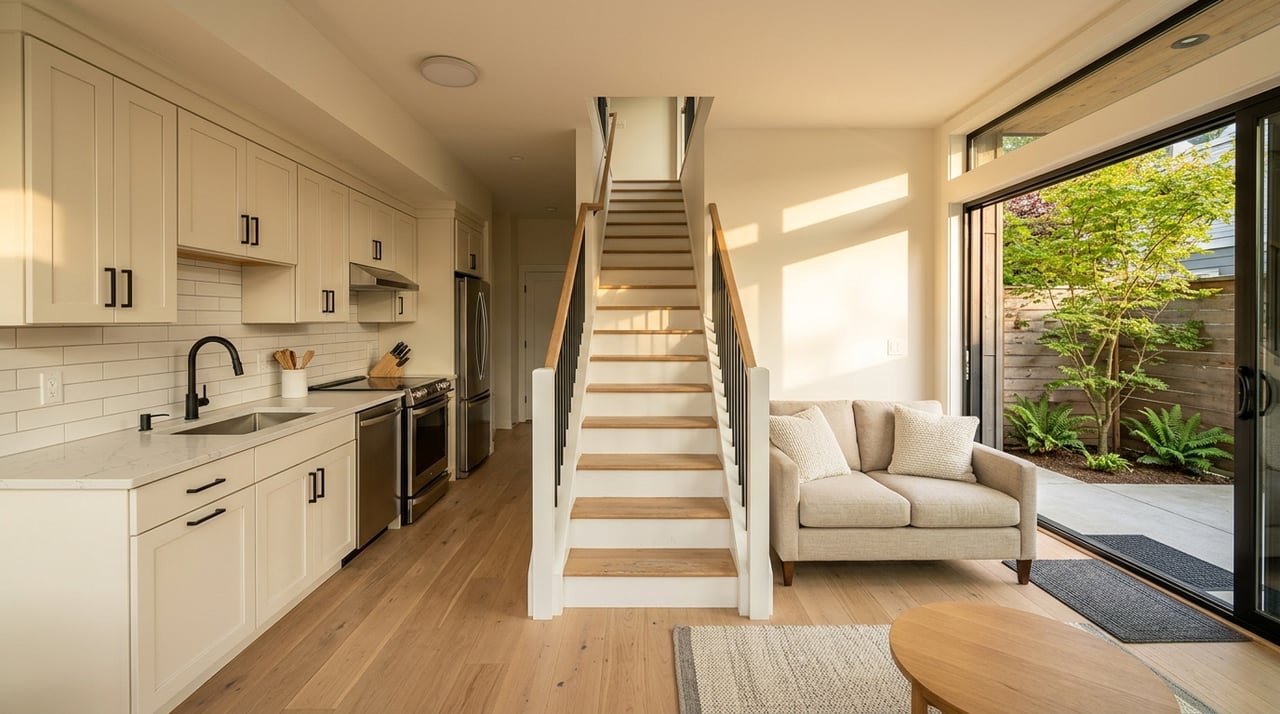
Pre-sale condos are new-construction homes you buy from a developer before or during construction. Your agreement is governed by the purchase contract and provincial development marketing rules. You often get modern finishes and warranty protection, but you wait for completion and accept more timeline risk.
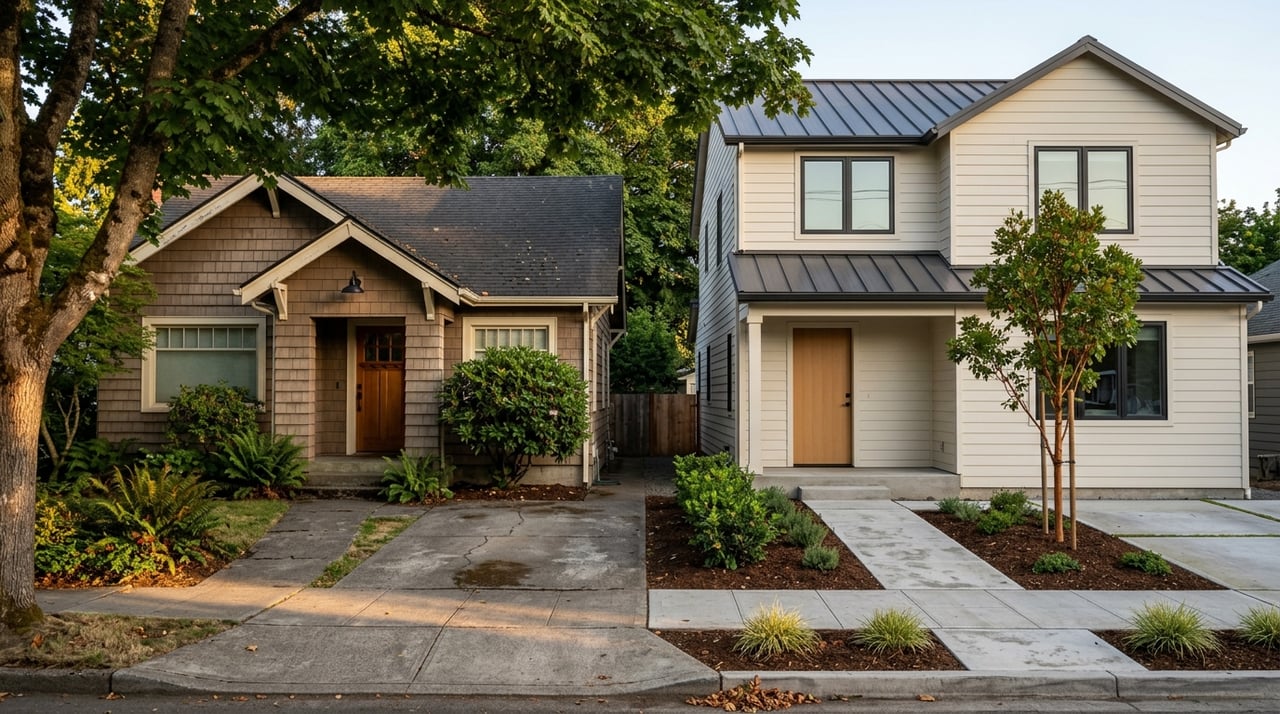
Resale condos are previously owned homes you buy from an individual seller. You can see the exact unit, close faster, and use standard mortgage processes. You will not get a new-home statutory warranty, so strata health and condition are front and center.
Key benefits and tradeoffs in Courtenay
Pre-sale: why buyers choose it
- Modern layouts and finishes that fit current lifestyles.
- Statutory new-home warranty protection if built by a licensed builder.
- Sometimes limited customization options and first-pick on certain plans.
- Tradeoffs include a longer wait for occupancy, construction or approval delays, and exposure to market changes before completion.
Resale: why buyers choose it
- Quicker possession once financing and conditions are satisfied.
- You can inspect the exact home and review the strata’s history.
- Often a smaller deposit than pre-sale projects.
- Tradeoffs include no new-home statutory warranty and more emphasis on building maintenance and strata finances.
Disclosures and legal protections
Pre-sale protections under REDMA
In BC, most pre-sales require a formal developer disclosure statement under the Real Estate Development Marketing Act. The disclosure outlines key details like the project description, anticipated occupancy, deposit schedule, and major contract terms. Buyers also receive a rescission or cooling-off period tied to the disclosure that is commonly 7 days from receipt. Always confirm the exact timing and the method for giving notice in your contract and disclosure.
Before you commit, request and read the developer disclosure, the proposed strata plan and bylaws, the preliminary budget, and any available depreciation planning. Ask for the builder’s licence and warranty registration confirmation, the occupancy timeline, and the rules for assignments.
Resale strata information to review
For resale condos, request the strata’s Information Certificate, often called Form B in BC. It includes the current budget, contingency or reserve fund balance, bylaws and rules, insurance details, and information about special levies or litigation. Also review the last 12 months of strata minutes, current financials, any depreciation report, and recent or proposed levies. These records help you understand building maintenance, upcoming costs, and bylaw rules that affect your use or rental plans.
Deposits, financing, and closing flow
Typical deposit structures
- Pre-sale: staged deposits are common and often total about 10 to 20 percent of the price, paid in installments set by the developer contract.
- Resale: a single deposit is typical, often around 5 percent, held in trust by the brokerage or conveyancer until completion.
Funds are usually held in trust and credited at closing.
Financing differences
- Pre-sale: mortgage funding generally occurs at completion or occupancy. Lenders may have specific rules for pre-construction purchases, and you may need interim solutions if timelines shift.
- Resale: lenders underwrite the existing unit and title. Financing approvals and subject removal are typically more straightforward because the property is already built.
Refundability and subject clauses
- Pre-sale deposits are commonly refundable during the cooling-off period set out in the disclosure and contract. After that period, deposits may be non-refundable unless the contract states otherwise or the developer defaults.
- Resale purchases usually include subjects for financing, inspection, insurance, and legal review. If you do not remove subjects within the agreed time, your deposit is typically refundable. Once subjects are removed, deposits are generally non-refundable except in limited cases.
Timelines and common risks
Pre-sale timelines in practice
Smaller projects can complete in about 12 to 18 months. Mid-rise or larger developments can take 18 to 36 months from sales launch to occupancy. Contracts often allow for construction or municipal delays, so your completion date may shift.
Common pre-sale risks include construction delays, minor changes to finishes or specifications, developer insolvency or project cancellation, and market value changes before completion. Assignment rules may limit your ability to resell the contract before closing.
Resale timelines and risks
Most resale deals close in 30 to 60 days, but timing is negotiable. Risks include deferred maintenance, hidden defects, special levies, or litigation that affects carrying costs. An inspection and a thorough review of strata records help reduce surprises.
New-home warranty and builder licensing in BC
Most new homes built by licensed residential builders in BC carry mandatory home warranty insurance that is often described as 2-5-10 coverage:
- 2 years for defects in materials and labour, including certain systems like plumbing and electrical.
- 5 years for building envelope defects that cause water ingress.
- 10 years for major structural defects.
Always confirm the builder’s licence status and the development’s warranty enrollment. Review exclusions and claim procedures, and keep good records. Resale condos do not include the same statutory warranty, though recently built units may still be within their original warranty period.
Strata considerations for investors in Courtenay
- Rental and pet bylaws: Confirm whether rentals are permitted and any conditions. Bylaws apply to new owners as well.
- Special levies and reserves: Check for recent or upcoming levies and whether the reserve fund aligns with the building’s needs. A depreciation report, if available, helps forecast long-term costs.
- Insurance and deductibles: Understand the strata’s master policy and what you need to insure individually, including deductible coverage.
- Market context: Review local rental demand and vacancy trends for the Comox Valley so your numbers reflect real conditions.
Taxes and transaction costs at a glance
- GST: New-construction condos are typically subject to federal GST. You may qualify for a partial GST rebate if you will occupy the unit as your primary residence and meet Canada Revenue Agency conditions.
- Resale and GST: Resale residential condos are generally not subject to GST.
- Property Transfer Tax: BC’s provincial property transfer tax applies to most purchases. Some buyers may qualify for exemptions or rebates depending on eligibility.
- Other costs: Budget for legal or notary fees, Form B fees, inspection, mortgage-related charges, potential development cost adjustments on pre-sales, and property tax adjustments at closing.
Quick buyer checklists
Pre-sale checklist
- Obtain and review the full developer disclosure. Confirm the rescission period and how to deliver notice.
- Review the deposit schedule, refund rules, assignment terms, and GST treatment.
- Verify builder licensing and warranty registration. Confirm coverage and exclusions.
- Read the proposed bylaws, budget, any phasing plans, and the occupancy timeline with delay clauses.
- Confirm where deposits are held in trust and by whom.
- Have a BC real estate lawyer or notary review the contract before the rescission window ends.
Resale checklist
- Request Form B, last 12 months of strata minutes, financial statements, insurance certificate, and any depreciation report.
- Confirm contingency or reserve balances, recent or pending levies, and any litigation.
- Book a professional inspection and review title for parking, storage, and included chattels.
- Secure mortgage preapproval and confirm lender or insurer requirements for the building.
- Have a lawyer or notary review documents before removing subjects.
For both pre-sale and resale
- Clarify your insurance needs and deductibles.
- Confirm your timeline needs for move-in or tenant placement.
- Keep all dates and deliverables organized so you do not miss rescission or subject deadlines.
Which path fits your goals?
If you value new finishes, modern amenities, and warranty protection, and you can wait through a build, a pre-sale can be appealing. If you prefer certainty, faster possession, and reviewing the exact home and strata history, a resale may be the better fit. In either case, your best move is to gather the right documents early, understand your deposit and financing timelines, and have your contract reviewed before funds become non-refundable.
Ready to compare your options, unit by unit, in Courtenay and the Comox Valley? Reach out to the family-led team at Jane Denham Real Estate Group for clear guidance tailored to your timeline and goals. If you are also planning a sale, start with a free home valuation and we will map the buy-sell puzzle together.
FAQs
Are pre-sale deposits refundable in BC?
- Generally, yes during the developer disclosure rescission period that is commonly 7 days. After that, refundability depends on your contract terms and developer default provisions.
What happens if my pre-sale completion is delayed?
- Most contracts allow delivery extensions for construction or municipal delays. Review your agreement for any protections or remedies and confirm how you will be notified of changes.
Do new condos come with warranty coverage in BC?
- Most new homes by licensed builders carry 2-5-10 home warranty insurance. Confirm enrollment, coverage details, and any exclusions for your specific project.
Can I assign a pre-sale contract before completion?
- Often yes, but only if your contract permits it. Developers may require consent and charge assignment fees, and taxes may apply. Review the assignment clause carefully.
How can I assess a strata’s financial health on a resale?
- Review Form B, recent minutes, financial statements, reserve balances, insurance details, and any depreciation report. Look for patterns of special levies or deferred maintenance.
Is GST charged on resale condos?
- Resale residential condos are generally not subject to GST. New-construction purchases typically are, with potential rebates if you qualify and plan to occupy the home.